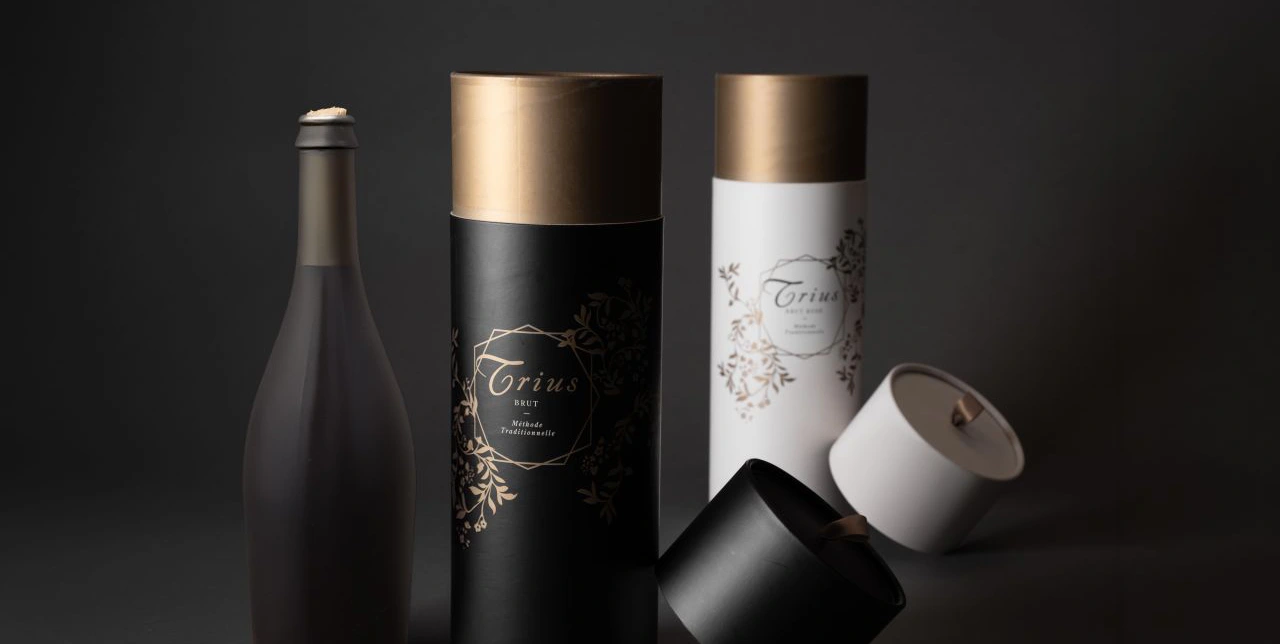
There is an inherent "stature" associated with vertical packaging. In retail environments like the LCBO or high-end boutiques, the silhouette of a rigid tube commands more visual real estate than a bare bottle.
For decades, the tallest and most expensive items in the liquor aisle have been single-malt whiskies housed in tubes. When a winery adopts this format for a Reserve Cabernet or a limited-edition Syrah, they tap into the consumer’s pre-existing association between "tube packaging" and "investment-grade spirits." This is known in design psychology as the Halo Effect—where the perceived quality of the packaging spills over into the perception of the liquid inside.
A rigid tube offers a 360-degree tactile experience. Unlike a flat box, the cylindrical form feels substantial in the hand. According to studies on sensory marketing, consumers are 52% more likely to repeat a purchase from a brand that provides a premium unboxing experience. The weight and "pop" of a snug-fitting tube lid create a ritualistic opening process that a simple paper bag cannot replicate.
While aesthetics drive the sale, protection preserves the brand’s reputation. Premium reserve wines are often intended for long-term cellaring or gifting, meaning the packaging must endure more than just a ride home in a car.
Light strike (the degradation of wine due to UV exposure) is a silent killer of quality. While dark glass helps, it is not 100% effective. Rigid tubes provide a total light block, acting as a secondary "dark room" for the bottle. This is particularly crucial for premium white wines or rosés housed in clear flint glass, which are highly susceptible to "gout de lumière" (light taste).
Wide temperature fluctuations can cause the wine to expand and contract, potentially compromising the cork seal. The thick, multi-layered paperboard used in Distillpack’s rigid tubes acts as a natural insulator. This thermal buffer protects the wine during the "last mile" of retail—from the air-conditioned store to the trunk of a consumer’s car.
In a sea of labels, the bottle that stands out wins. Medium-to-large wine distribution companies face a constant battle for shelf space. Rigid tubes offer several strategic advantages in a retail setting:
The modern luxury consumer is increasingly eco-conscious. There is a misconception that "luxury" must mean "excessive." However, the industry is shifting toward sustainable luxury.
At Distillpack, our rigid tubes are engineered using FSC-certified papers and soy-based inks. Because they are durable and beautiful, they are rarely thrown away. They are often repurposed by consumers for storage or display, keeping your brand in their home long after the wine has been enjoyed. This "secondary life" is the ultimate form of sustainable branding.
No. While they offer great support for heavy, deep-pun t bottles, they are equally effective for standard-weight bottles. The key is the custom insert, which ensures the bottle doesn't "rattle," regardless of its weight.
Absolutely. In fact, many Champagne houses are moving toward rigid tubes because they protect the delicate foils of the cage and cork, which are easily damaged in transit.
For medium-to-large wineries, we typically suggest starting at quantities that allow for cost-effective custom printing and finishing (usually 1,000+ units), though we work with brands to scale their needs.
As we look toward the trends of 2026, the wine industry is moving away from "just a bottle" and toward "an experience." For a Reserve Wine, the label is the introduction, but the rigid tube is the statement. It tells the consumer that the liquid inside is worth protecting, worth gifting, and worth the premium price.
With 30 years of experience serving the Canadian liquor market and the LCBO, Distillpack specializes in turning standard glass into a retail masterpiece.
Ready to elevate your winery’s next reserve launch? Contact the Distillpack team today to explore our range of custom rigid tubes, magnetic boxes, and premium gift packaging. Let’s build a package that does justice to your vintage.


